Disclaimer: This post is for educational and informational purposes only and does not provide financial advice or investment guidance.
Introduction
In the evolving landscape of digital education, interactive platforms have become central tools for learning and content exploration. This post provides an educational overview of modern digital portals, focusing on clarity of navigation, interface design, and user experience. The goal is to inform readers about the structure and functionality of these platforms, using examples such as instant and similar educational tools.
Understanding Interactive Educational Platforms
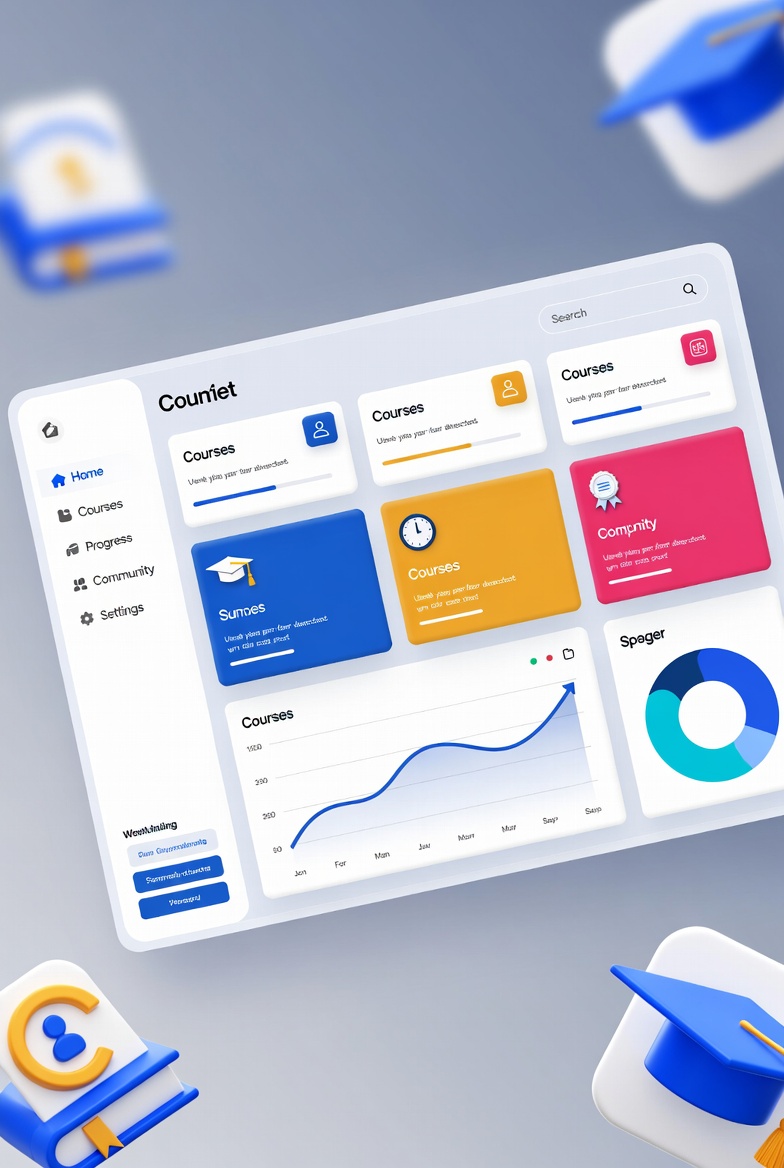
Interactive educational platforms are designed to deliver structured learning experiences through digital interfaces. These platforms typically include modules such as dashboards, content libraries, quizzes, and progress tracking. They differ from traditional websites by integrating visual cues, icons, and interactive elements that facilitate understanding.
- Core Features
Most modern platforms feature a clear and minimalistic layout that prioritizes content readability. Key elements often include:- Visual dashboards showing user progress
- Interactive tutorials and guides
- Consistent iconography for navigation
- Responsive design adaptable to mobile devices
- Navigation and Accessibility
Successful platforms like instant emphasize simplicity in navigation. Users can locate resources quickly through menus or search functions. Accessibility features, such as keyboard shortcuts and screen-reader compatibility, enhance usability for diverse learners.
Step-by-Step Overview of Using an Educational Platform
While registration and account management are not the focus, understanding the interface and workflow is essential. Typical steps include:
- Landing Page Orientation – The homepage introduces modules, current topics, and suggested pathways.
- Content Browsing – Users explore tutorials, video lessons, and interactive exercises.
- Progress Indicators – Visual progress bars help learners track completion of modules.
- Support Tools – Platforms may provide tooltips, help icons, or FAQ sections to assist navigation.
Comparative Insights
Comparing platforms such as instant with other neutral digital tools highlights common patterns in design and functionality:
- Consistent minimalistic interfaces are preferred to reduce cognitive load.
- Color schemes often use soft professional tones, with a bright accent for interactive elements.
- Infographics and visual elements are crucial for conveying complex information quickly.
Conclusion
Modern interactive educational platforms emphasize clarity, accessibility, and structured content delivery. Tools like instant demonstrate how thoughtful interface design can enhance user engagement and educational outcomes without relying on commercial messaging.
Final Disclaimer: This post is for educational and informational purposes only and does not provide financial advice or investment guidance.